Top 10 Most Famous Red-Light Areas In Mumbai
Mumbai, also called the “City of Dreams Bollywood” and the city with the “Busiest Local Train Network,” and with its big building ambitions, hides a city within a city that most people don’t talk about out loud, or only do so quietly. Marine Drive, with its luxury hotels, and BKC, with its corporate office buildings, are examples of a hidden world that dates back hundreds of years; red-light districts have existed for centuries and have played a major role in Mumbai’s history through colonialism, economics, and law.
In this article, I will explore the 10 most well-known red-light districts in Mumbai in detail and offer a human portrayal of each, including their historical context and present-day circumstances, who lives there, and how these areas are sustained.
1. Kamathipura: The Most Famous Red Light District in Mumbai
No conversation about Mumbai’s red-light areas can start anywhere but Kamathipura. It is, without question, the best-known and most historically significant red-light district not just in Mumbai but in all of Asia. Located in South Mumbai between Mumbai Central and Grant Road, Kamathipura was originally known as Lal Bazaar and dates back to 1795, when the area first opened for habitation after the construction of British-era causeways.
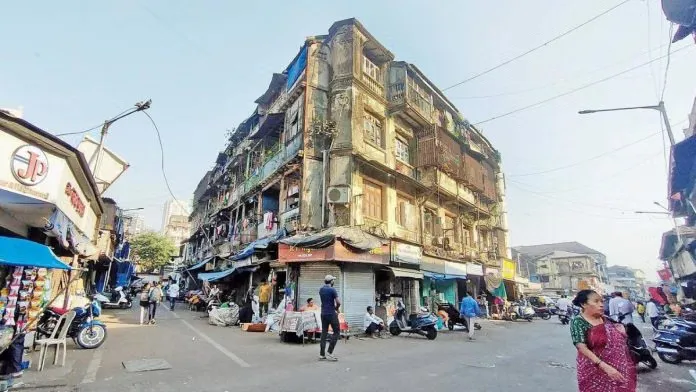
It provided refuge for British soldiers during the colonial period, a time of rapid development that saw Kamathipura become an established red-light district by the end of the 19th century. European prostitutes resided in the Safed Gully during the British Empire. Pila House, the district’s most famous brothel, is actually a modified version of Playhouse.
The entire area is roughly divided into 14 lanes, each with a distinctive character and a distinct demography of the district’s working community. Formerly, the women workers were from different states, including Karnataka, Andhra Pradesh, Maharashtra, and Solapur. However, there was a significant shift in the demographics, and currently a majority of the workers are from the state of West Bengal, followed by Bangladesh, and a substantial number are from Nepal and were trafficked. The number of working women peaked in the mid-1990s at around 50,000.
2. Falkland Road: The Street That Never Sleeps
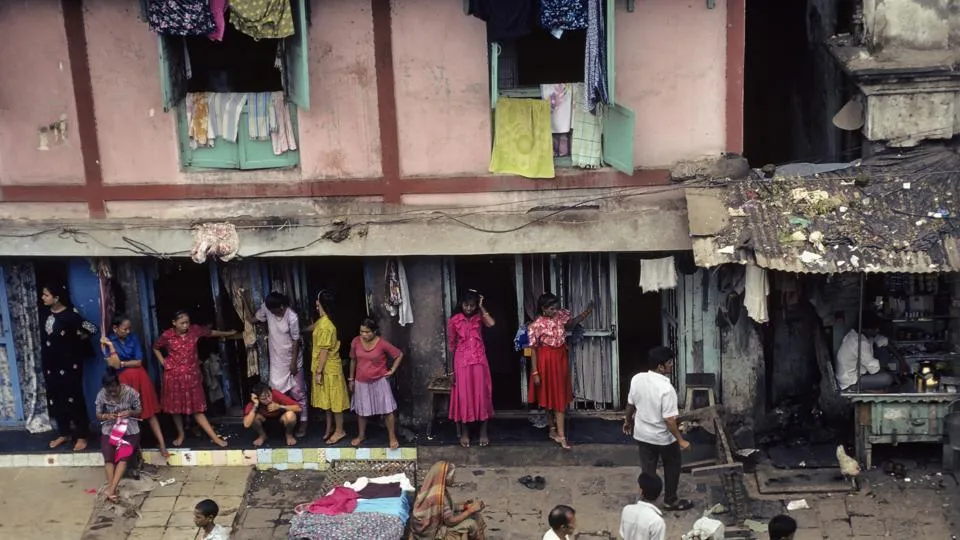
One of Mumbai’s more recognizable red-light areas, Falkland Road runs adjacent to the famous Grant Road in South Mumbai. Falkland Road is, like Grant Road, one of the oldest red-light areas, and offers cheap lodges, high sex activity, and, believe it or not, lots of it going on in the daytime too.
The whole street is full of windowless buildings, behind which brothels are rife. Unlike the more discreet ones, activity on Falkland Road isn’t hidden; women sit in doorways and on windows, inviting passersby in, and the beer bars and ladies’ bars draw plenty of custom from truck drivers, traveling sales reps, and local working men.
3. Foras Road: The Land of Mujras
Foras Road holds a unique place among Mumbai’s red light areas because it is deeply associated with the tradition of Mujra, a classical dance performance that has, over time, become intertwined with the sex trade. The street is lined with beer bars and ladies’ bars, and it was once considered one of the more artistic corners of Mumbai’s flesh trade, where music and dance were central to the experience. Nearby, Bachchuseth ki Wadi on Foras Road was historically famous for its kothewalis (courtesans) and traditional mujra performances. While the glamour of old mujra culture has long since faded, Foras Road remains a red-light zone, though its visibility has diminished.
4. Grant Road: Jamuna Mandi
More than just a railway station, Grant Road is home to the city’s most famous and bustling red-light pockets. In Jamuna Mandi (as the red-light pocket here is known), most of the prostitutes operating here are originally from South Karnataka. The area is famous for its brothels, dance bars, and massage parlors, and it’s one of the city’s most active red-light areas.
Grant Road’s central location in South Mumbai ensures the red-light area never seems to go out of business. By day, the railway station premises are a commercial belt; after dark, another form of trade takes over the dim streetlights and lodging houses along the roads.
5. Congress House: The Gangster’s Playground
Congress House is one of the more infamous red light areas in Mumbai, not just for prostitution but for its deep historical connections to organized crime. In the 1980s, Mumbai’s most notorious gangsters, including Dawood Ibrahim, Haji Mastan, and Arun Gawli, developed and frequented the area, using it as a personal playground. Politicians and other influential figures also frequented it, giving it a reputation as a place where power and vice intersected.
Congress House was known primarily for Mujra performances and high-end entertainment for the city’s criminal and political elite. However, as Mumbai’s underworld changed and the traditional flesh trade declined, Congress House lost much of its former prominence. Today, it is a shadow of what it once was, slowly being overtaken by redevelopment and the shift of the sex trade to less visible platforms.
6. Mira Road: The Suburban Hub
Mira Road, located in the northern suburbs of Mumbai, represents the spread of the sex trade beyond the city’s historical core. As South Mumbai’s traditional red light areas came under increasing pressure from law enforcement and urban development, many sex workers migrated to the suburbs, and Mira Road became one of the key destinations.
The area is known for its brothels and serves as a hub for the sex industry in Mumbai’s suburban belt. Many of the sex workers here come from different parts of the country, drawn by the relatively lower cost of living and the distance from the more heavily policed areas of South Mumbai. Lodges in the area are often rented by the hour, and the trade operates with a degree of discretion that is harder to maintain in the city’s more famous red-light areas.
7. Malad: The Western Suburbs’ Red Zone
Malad, a western suburb of Mumbai, is another area where the sex trade has established a significant presence. The area hosts an estimated 400 sex workers, and lodges here are commonly rented on an hourly basis for sexual activities. The trade in Malad operates somewhat differently from the older, more visible red light areas of South Mumbai; it is more dispersed, more discreet, and harder to identify from the outside.
The growth of Malad as a red light zone is closely tied to the broader suburbanization of Mumbai’s sex trade, as workers and operators moved away from the increasingly redeveloped areas of South Mumbai toward the more affordable and less scrutinized suburbs.
8. Mulund: Mini Kamathipura
Mulund, in northeastern Mumbai, has earned the informal nickname “Mini Kamathipura” because it is increasingly known as a major red light zone. The area is estimated to have around 500 sex workers, making it one of the larger suburban red light areas in the city.
Like many of Mumbai’s suburban red light zones, Mulund’s sex trade grew as a result of displacement from the city’s core areas. Police crackdowns and redevelopment projects pushed workers out of Kamathipura and other South Mumbai districts, and they found their way to Mulund, replicating the older districts’ structure in a new setting.
9. Ghatkopar: The Eastern Pocket
Ghatkopar, in the eastern suburbs of Mumbai, is home to one of the city’s larger suburban red light areas, with an estimated 1,500 sex workers. The area is sometimes referred to locally as the “prostitute lanes”, a blunt acknowledgment of the trade that has taken root there.
Ghatkopar’s red-light zone operates largely in the shadows, tucked away in narrow lanes the uninitiated can easily miss. The area reflects a pattern across Mumbai’s suburban districts: a sex trade less centralized and more dispersed than in South Mumbai’s historic districts, but no less active.
10. Garib Nagar: The Hidden World
Garib Nagar, in northwestern Mumbai near the railway tracks, is perhaps the most hidden of Mumbai’s red-light areas. Unlike Kamathipura or Falkland Road, which have some public visibility, Garib Nagar operates in the shadows, making it harder for social organizations and law enforcement to reach.
The area is known not only for prostitution but also for its association with the drug trade, making it one of the more dangerous corners of Mumbai’s underworld. Sex workers from different parts of the country and reportedly from other parts of the world can be found here. The combination of poverty, drug dependency, and trafficking makes Garib Nagar one of the most challenging red light areas in the city from a social welfare perspective.
Final Thoughts
Mumbai’s red light areas mirror the city’s deepest contradictions: wealth and poverty, tradition and modernity, visibility and invisibility. They are places of immense suffering but also of extraordinary resilience. Understanding them is not about glorifying or condemning; it’s about acknowledging the complex social, historical, and economic forces that created them and still sustain them.
If Mumbai truly wants to move forward, it must address the root causes that keep these areas alive, not just bulldoze them into invisibility.